Seasonal Wildlife Issues Homeowners Should Watch For
Local service providers can help homeowners address seasonal wildlife issues by safely removing animals and preventing damage during key times of the year.
Homeowners in the area often find that staying aware of seasonal wildlife issues is essential for maintaining a safe and comfortable property. As different animals become active during various times of the year, they can sometimes find ways into attics, garages, or crawl spaces, causing potential damage or creating health concerns. Recognizing these seasonal patterns helps property owners take proactive steps to prevent unwanted wildlife from settling in, making it easier to manage any emerging problems before they escalate. Local service providers specializing in wildlife removal are equipped to assist with these seasonal challenges, offering expert solutions tailored to the specific wildlife threats that tend to appear during each part of the year.
Exploring the common wildlife issues that arise seasonally can empower homeowners to protect their homes more effectively. Whether it’s rodents seeking shelter in colder months or birds nesting in spring, understanding what to watch for ensures that property owners can address issues early. Connecting with local contractors experienced in seasonal wildlife removal provides the support needed to handle these situations safely and efficiently. Staying informed about these recurring wildlife concerns helps homeowners maintain a property that’s both secure and free of unexpected intrusions, with professional help readily available to handle the more challenging aspects of wildlife control.
- Bird nesting removal - homeowners noticing bird nests in vents or eaves during spring should seek local pros to safely remove and prevent future nesting.
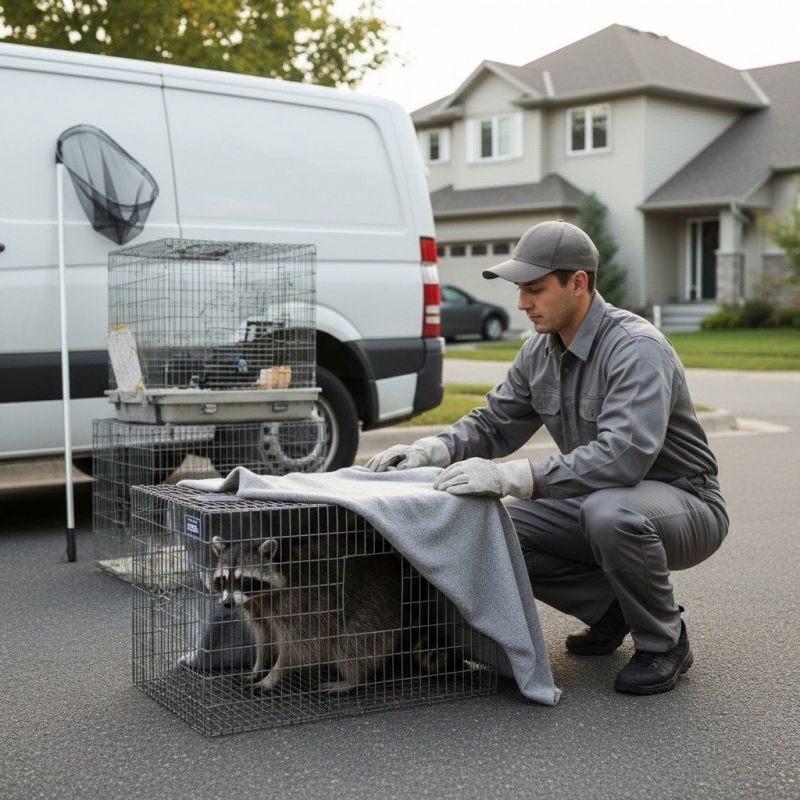
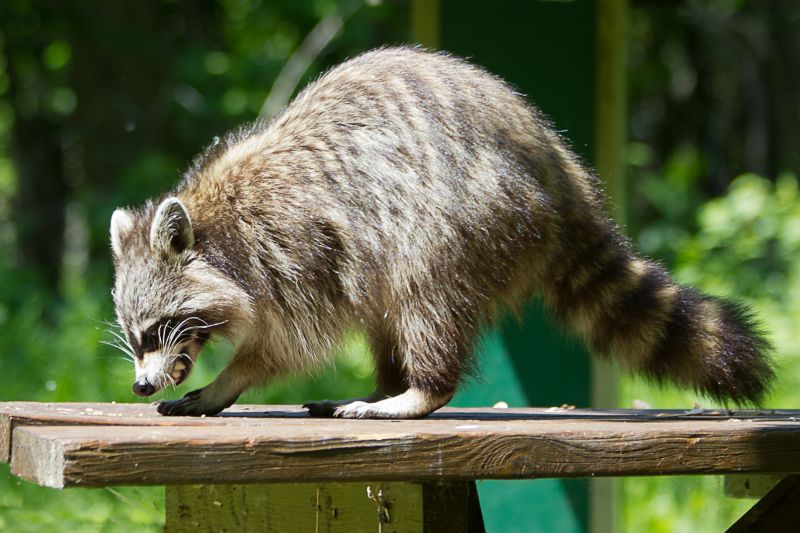
- Raccoon trapping - if raccoons are active around attics or chimneys in fall, local contractors can handle trapping and exclusion to protect the home.
- Squirrel exclusion - during late summer and early fall, squirrels may attempt to enter homes; local service providers can seal entry points and remove existing squirrels.
- Bat removal services - in late summer, bats may roost in attic spaces; local pros can safely remove bats and implement exclusion measures.
- Skunk removal - homeowners dealing with skunk sightings near yards or under decks in spring or fall can rely on local experts to handle humane removal and deterrence.
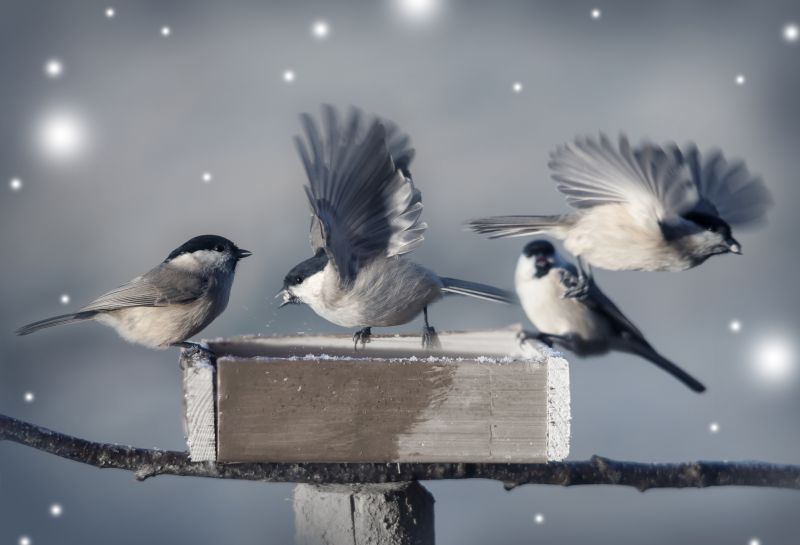
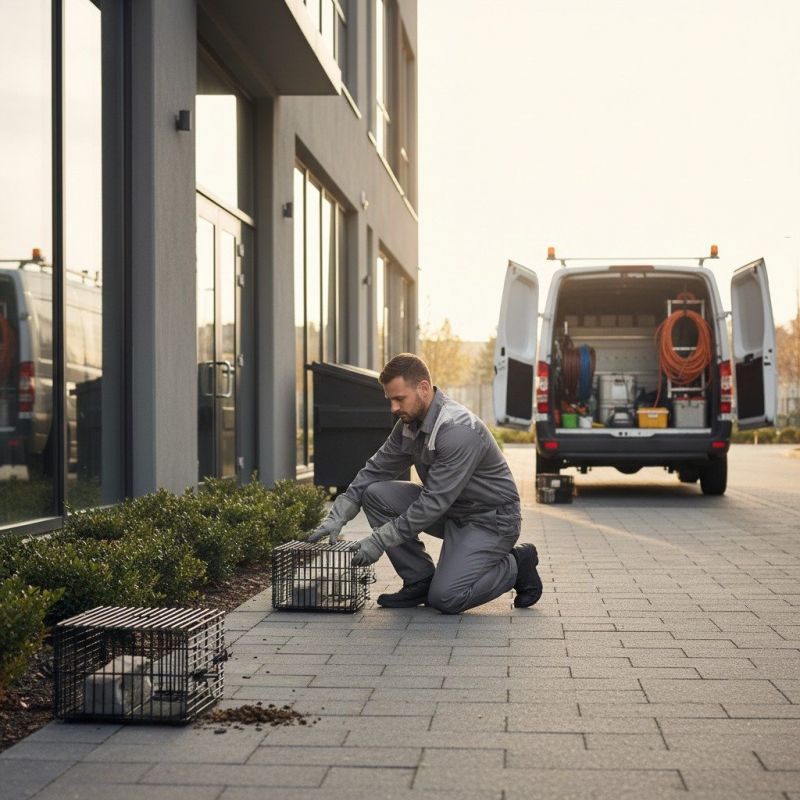
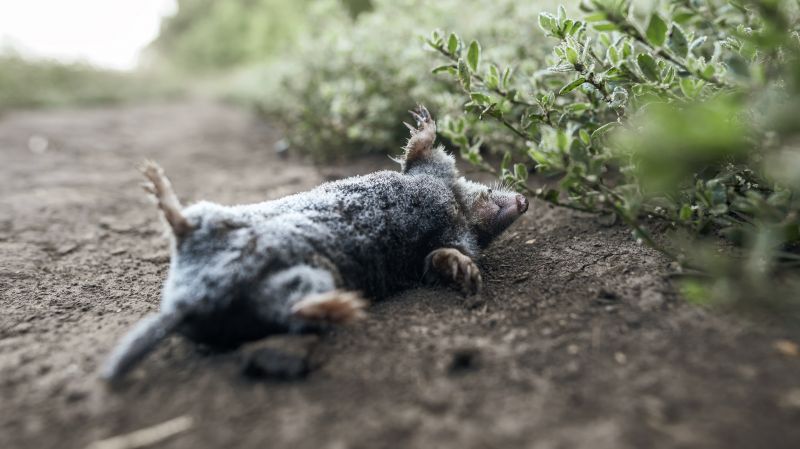
Seasonal wildlife issues homeowners should watch for often relate to the natural behaviors and migration patterns of animals that change with the seasons. During spring and early summer, many animals become more active as they seek food, mates, and nesting sites. Homeowners may notice increased signs of animal activity around their property, such as bird nests in vents or trees or the presence of small mammals near foundations. In fall and winter, certain wildlife species prepare for colder months by seeking shelter in warm, protected spaces, which can lead to issues like animals nesting in attics, chimneys, or wall cavities. Recognizing these seasonal shifts helps homeowners understand when wildlife is most likely to become problematic and underscores the importance of proactive measures.
The problems associated with seasonal wildlife issues often involve property damage, sanitation concerns, and potential health risks. For example, nesting animals can cause structural damage by gnawing on wood or insulation, while droppings and debris can create unsanitary conditions that attract pests like insects or bacteria. Additionally, some wildlife species, such as raccoons or squirrels, can chew through electrical wiring, increasing the risk of fire hazards. Homeowners may also experience noise disturbances or odors from animal nests or dead animals. Planning for these seasonal challenges involves inspecting vulnerable areas, sealing entry points, and removing nests or animals safely-tasks that local service providers skilled in wildlife removal can handle efficiently.
Certain types of properties are more prone to seasonal wildlife issues, especially those with accessible entry points or nearby natural habitats. Homes with overgrown landscaping, gaps in siding, or poorly sealed vents are more likely to attract animals seeking shelter or nesting spots. Rural properties or homes near wooded areas, parks, or water sources tend to experience higher wildlife activity during seasonal migrations. Attics, chimneys, and crawl spaces are common targets for wildlife seeking refuge during colder months, while decks, sheds, and garages may become nesting sites in warmer seasons. Understanding these property characteristics helps homeowners identify vulnerable spots and prioritize inspections or repairs, with local contractors offering targeted solutions to prevent seasonal wildlife problems.
Connecting with local pros who specialize in seasonal wildlife removal ensures that homeowners can address these issues effectively and humanely. These service providers can perform thorough inspections, identify signs of wildlife activity, and implement exclusion strategies tailored to each property’s needs. By working with experienced professionals, homeowners can reduce the risk of property damage, prevent health hazards, and ensure that wildlife is handled responsibly. Regular maintenance and timely interventions by local contractors help keep seasonal wildlife issues manageable, especially during peak migration or nesting periods. This proactive approach supports a healthier, safer home environment while respecting local wildlife populations.
Bird Control Projects - These projects involve installing deterrents and barriers to prevent birds from nesting or roosting, which is a common concern during seasonal wildlife activity.
Attic and Roof Inspection Services - Inspections focus on identifying and sealing entry points that animals may use during seasonal wildlife issues homeowners should watch for.
Gutter and Drainage Maintenance - Proper cleaning and maintenance help prevent nesting sites and reduce the risk of animals nesting in clogged areas during seasonal wildlife activity.
Exclusion and Barrier Installation - Local contractors can install barriers around vents, chimneys, and eaves to keep wildlife from entering homes during peak seasons.
Wildlife Damage Repair - These projects address repairs caused by animals, such as chewed wiring or insulation damage, common during seasonal wildlife issues homeowners should watch for.
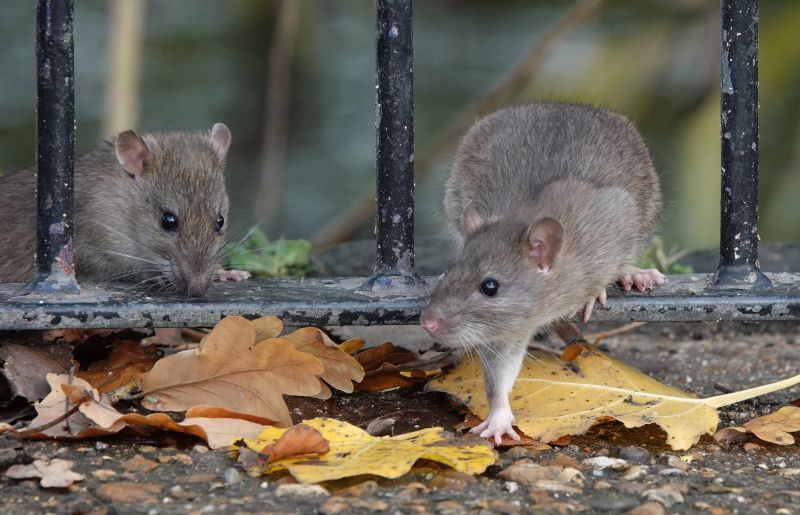
Squirrel and Rodent Proofing - This work involves sealing entry points and installing traps to manage rodent activity that often increases during certain seasons.
When comparing local contractors for seasonal wildlife removal services, it is important to consider their experience with similar projects. Homeowners should look for service providers who have a proven track record of handling wildlife issues specific to their region and the seasonal challenges involved. This experience can help ensure that the contractor understands the behaviors and habits of local wildlife, which is essential for effective and humane removal. Asking for examples of past projects or references related to seasonal wildlife issues can provide insight into their familiarity with the unique aspects of these jobs and their ability to address them successfully.
Clear written expectations are crucial when choosing a service provider for wildlife removal. Homeowners should seek contractors who can provide detailed descriptions of their process, including inspection procedures, removal methods, and follow-up steps. Having this information in writing helps establish a mutual understanding of what the job entails and prevents misunderstandings. It also allows homeowners to evaluate whether the scope of work aligns with their needs and concerns regarding seasonal wildlife issues. Transparent communication about what to expect can lead to a smoother experience and better results.
Reputable references and good communication are key indicators of a reliable local contractor. Homeowners should look for service providers who can share references from previous clients, especially those who had similar wildlife issues during specific seasons. This can help gauge the quality of work and professionalism. Additionally, contractors who communicate clearly and promptly-whether through phone, email, or in-person discussions-demonstrate a commitment to customer service. Good communication ensures that homeowners can ask questions, express concerns, and stay informed throughout the process, ultimately leading to a more confident and satisfactory experience.
Property owners often search for seasonal wildlife issues homeowners should watch for when they are planning practical projects around their homes and businesses. Local pros provide Seasonal Wildlife Removal services for everyday jobs and straightforward project options.
Seasonal wildlife issues homeowners should watch for often become more noticeable during certain times of the year, prompting property owners to pay closer attention to their surroundings. For example, during spring and summer, birds may attempt to build nests in gutters, vents, or attic spaces, which can lead to blockages or damage if not addressed. Similarly, the fall season can bring an increase in squirrel activity as they prepare for winter, sometimes resulting in chewed wiring or entry points that allow other animals to access the home. Recognizing these signs early can help prevent more serious problems, making it important for homeowners to consider seasonal wildlife removal services offered by local contractors who specialize in humane and effective solutions.
Throughout the year, homeowners may also encounter issues with raccoons, bats, or raccoons seeking shelter in chimneys, soffits, or crawl spaces, especially as temperatures change. These animals can cause property damage or create health concerns if left unchecked. Local service providers experienced in seasonal wildlife issues can evaluate the property, identify entry points, and implement appropriate removal or exclusion measures. Engaging with these professionals helps ensure that wildlife problems are handled safely and efficiently, reducing the risk of future issues as the seasons change.
What are common signs of wildlife entering homes during seasonal changes? Homeowners should watch for signs like unusual noises, droppings near entry points, or damage to vents and soffits, which indicate wildlife may have entered the property. Local contractors can assess and safely remove animals before they cause further issues.
Which wildlife species are most active during specific seasons? Different species are active at various times of the year; for example, bats and squirrels are often seen in spring and summer, while raccoons and birds may be more active in fall. Local service providers can identify and address issues caused by these seasonal visitors.
How can homeowners prevent wildlife from nesting in their attics or walls? Sealing entry points, removing food sources, and trimming overgrown vegetation can help prevent animals from nesting. Local wildlife removal experts can provide targeted solutions to secure the home against seasonal intrusions.
What seasonal hazards should homeowners be aware of related to wildlife? Homeowners should watch for hazards like raccoons in chimneys, bird infestations in vents, or squirrel damage to wiring, which can lead to safety concerns. Local pros can help mitigate these risks through humane removal and exclusion methods.
When is the best time to seek professional wildlife removal services during seasonal wildlife issues? The best time is before animals establish nests or cause significant damage, typically in early spring or fall, depending on the species. Contacting local contractors proactively can help address seasonal wildlife issues effectively.
Inspect attic vents - property owners can schedule inspections with local contractors to identify and seal potential entry points for wildlife during seasonal migration periods.
Secure trash and compost areas - homeowners can work with seasonal wildlife removal services to properly enclose and manage waste to prevent attracting animals.
Maintain shrubbery and trees - pruning and trimming can reduce hiding spots and access points, with local pros providing guidance on safe landscaping practices.
Install exclusion barriers - property owners can have local service providers install barriers around foundations and chimneys to block seasonal wildlife from entering the home.
If you are thinking about seasonal wildlife issues homeowners should watch for for a property, this guide is meant to help you understand this topic, the typical project types, and how different options might fit your plans.
When you are ready, you can use the quote form on this page to share a few details about your project. From there, local pros can review the basics and follow up with options that match what you have in mind.