Preventing Future Wildlife Intrusions After Professional Removal
To prevent future wildlife intrusions after professional removal, local service providers can install effective barriers and entry point repairs to keep animals out permanently.
If wildlife has recently been removed from a property, it’s natural to want to prevent future intrusions and protect the space from recurring issues. Property owners in the area often find that addressing entry points and implementing preventative measures is essential for maintaining a safe, animal-free environment. Understanding the importance of ongoing prevention can help ensure that the removal efforts are long-lasting, reducing the likelihood of animals returning and causing further problems.
Exploring professional wildlife intrusion prevention services can be a practical step for those seeking effective solutions. Local contractors experienced in wildlife prevention can assess a property’s unique vulnerabilities, recommend tailored strategies, and help reinforce entry points to keep animals out. Keeping this in mind can be a valuable part of a comprehensive approach to managing wildlife issues and maintaining a secure property.
- Wildlife entry point sealing - when animals have been removed but may find new ways into a property, local contractors can identify and seal potential entry points to prevent future intrusions.
- Attic and roof barrier installation - after professional removal, installing barriers in attics and roofs helps block animals from returning through common entry spots.
- Venting and chimney exclusion - when animals access homes via vents or chimneys, local service providers can install exclusion devices to keep wildlife out permanently.
- Structural repairs and reinforcement - damaged or weak areas exposed during removal can be reinforced by local pros to prevent future wildlife access.
- Preventative barrier setup - comprehensive barrier systems installed around a property help deter wildlife from attempting to re-enter after removal efforts.
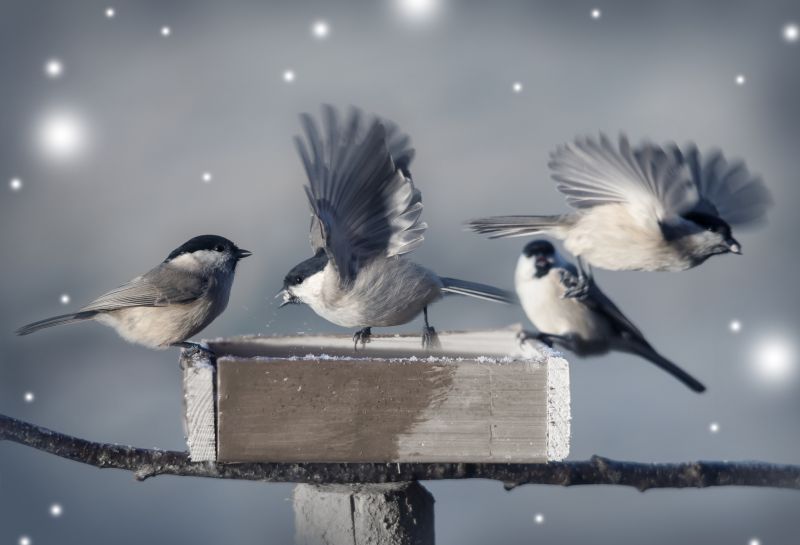
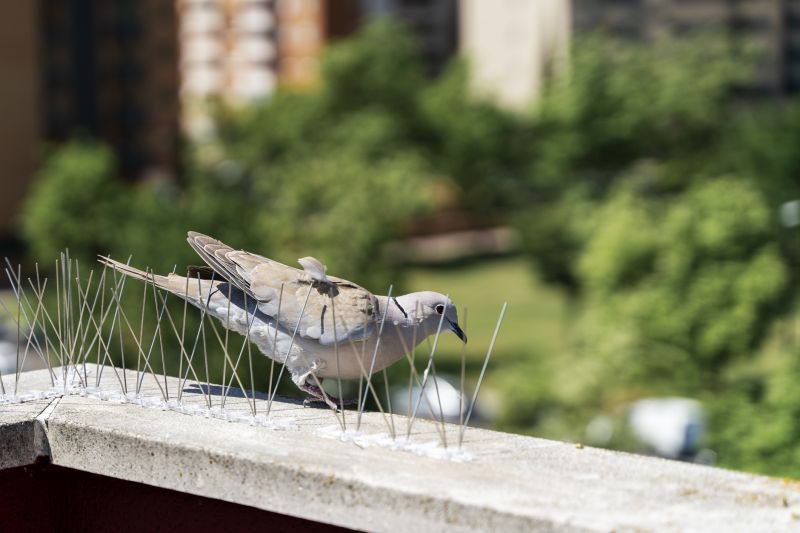
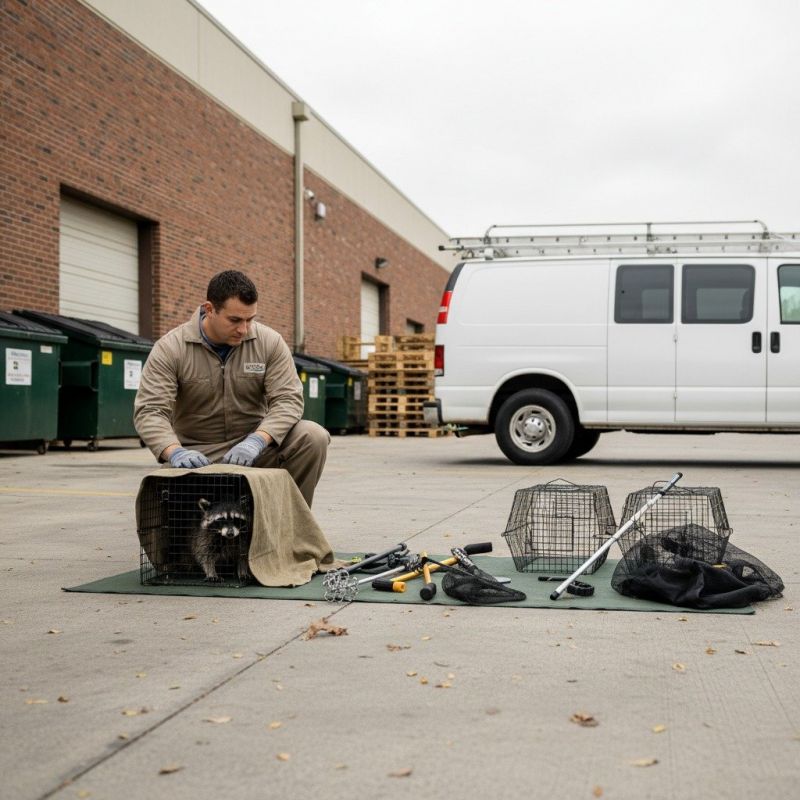
When people search for preventing future wildlife intrusions after professional removal, they are typically looking for ways to ensure that once animals like raccoons, squirrels, bats, or birds are removed from a property, they do not return. This concern often arises after an initial wildlife removal process, which addresses immediate issues such as damage, noise, or health hazards caused by the animals. Homeowners want to protect their property from future invasions, especially if previous attempts at exclusion have failed or if the wildlife problem has recurred. The goal is to implement effective, long-lasting solutions that keep unwanted animals out, reducing the risk of repeated infestations and the associated costs or damages.
These concerns are common in a variety of property types, including residential homes, multi-family buildings, and commercial properties. Residential properties often face wildlife intrusions in attics, basements, or crawl spaces, where animals find easy access and shelter. Commercial buildings, especially those with large roof spaces or ventilation systems, can also be vulnerable to wildlife entry. Additionally, properties near wooded areas, parks, or water sources tend to experience more frequent wildlife activity. Homeowners and property managers typically seek guidance on how to properly seal entry points, reinforce vulnerable areas, and establish barriers that prevent animals from re-entering after removal efforts.
Preventing future wildlife intrusions after professional removal involves more than just removing the animals; it requires identifying and sealing off entry points, installing barriers, and sometimes modifying property features to make them less attractive or accessible to wildlife. Local service providers specializing in wildlife exclusion and prevention can assess the specific vulnerabilities of a property and recommend tailored solutions. These professionals often perform detailed inspections to locate hidden or hard-to-see entry points, then implement exclusion methods that are durable and effective. Their expertise helps ensure that once animals are removed, they cannot easily find their way back into the building.
For homeowners considering prevention measures, working with local contractors who specialize in wildlife exclusion offers a practical way to protect their property long-term. These service providers can handle tasks such as installing chimney caps, repairing vents, sealing gaps around windows and doors, and reinforcing rooflines or eaves. By addressing the root causes of wildlife entry and implementing proactive barriers, property owners can significantly reduce the chances of future intrusions. Connecting with local pros ensures that the solutions are appropriate for the specific property type and local wildlife activity, providing peace of mind that the property will remain wildlife-free after the initial removal.
Gutter and Roof Repair - local contractors skilled in sealing entry points and repairing damage caused by wildlife can help prevent future intrusions after removal.
Home Inspection Services - professional inspections identify vulnerabilities in structures that may allow wildlife to re-enter, supporting effective prevention strategies.
Exclusion and Barrier Installation - specialists can install barriers such as chimney caps and vent covers to block common wildlife entry points.
Structural Reinforcement - local service providers can strengthen vulnerable areas like soffits and eaves to reduce the risk of future wildlife access.
Attic and Crawl Space Sealing - experts can secure attic vents and seal gaps that might attract wildlife again after removal.
Pest and Wildlife Control - integrated pest management services often include preventing future wildlife intrusions through strategic exclusion methods.
When evaluating service providers for preventing future wildlife intrusions after professional removal, it’s important to consider their experience with similar projects. A contractor’s familiarity with the specific types of wildlife and the common entry points in the local area can make a significant difference in the effectiveness of the prevention measures. Homeowners should inquire about how long the contractor has been handling wildlife intrusion prevention and whether they have completed projects comparable in scope and complexity. This background helps ensure that the chosen professional understands the unique challenges of the local environment and can implement appropriate, durable solutions.
Clear, written expectations are essential when selecting a wildlife intrusion prevention service provider. Homeowners should seek detailed descriptions of the services included, such as sealing entry points, installing barriers, or reinforcing vulnerable areas. Having a written plan can help prevent misunderstandings and ensure that both parties agree on the scope of work. It’s also helpful to ask for a comprehensive outline of what the project entails, including any follow-up steps or maintenance recommendations. Well-documented expectations contribute to a smoother process and a clearer understanding of what will be done to prevent future wildlife issues.
Reputable references and strong communication are key factors in choosing a dependable local contractor. Homeowners can ask for references from previous clients who had similar wildlife prevention projects completed. Contacting these references can provide insights into the contractor’s professionalism, reliability, and the quality of their work. Additionally, good communication throughout the process-such as prompt responses to questions and clarity about procedures-helps build confidence that the service provider will address concerns thoroughly. An open line of communication ensures that homeowners stay informed and can collaborate effectively with the contractor to achieve long-term protection against wildlife intrusions.
Property owners often search for preventing future wildlife intrusions after professional removal when they are planning practical projects around their homes and businesses. Local pros provide Wildlife Intrusion Prevention services for everyday jobs and straightforward project options.
After wildlife removal has taken place, property owners often seek ways to prevent future wildlife intrusions and avoid repeat issues. Simple measures like sealing entry points, installing barriers, and repairing damage are common steps that local contractors can help implement effectively. These proactive strategies are essential for maintaining a wildlife-free property and ensuring that animals do not find new ways inside. Many property owners look for professional services to handle these tasks, especially when dealing with larger or hard-to-reach areas, to achieve a thorough and lasting solution.
Choosing to work with experienced service providers can make a significant difference in preventing future wildlife intrusions after professional removal. Local contractors bring knowledge of common entry points and effective deterrent methods suited to the area’s specific wildlife challenges. They can assess the property, recommend appropriate exclusion techniques, and carry out repairs that keep animals out long-term. Property owners often consider these services as a valuable step toward protecting their homes and avoiding the inconvenience of recurring wildlife problems.
What are effective methods for preventing future wildlife intrusions after professional removal? Local contractors often recommend sealing entry points, installing barriers, and performing habitat modifications to reduce the likelihood of wildlife returning.
How can I identify potential entry points that need sealing? Local service providers can inspect your property to locate gaps, holes, or openings that animals could use to re-enter and suggest appropriate sealing solutions.
Are there specific barriers or deterrents that work best for preventing wildlife from returning? Many local pros suggest installing exclusion devices, chimney caps, and fencing tailored to the type of wildlife to effectively prevent future intrusions.
What maintenance is required to ensure wildlife doesn’t return after initial prevention measures? Regular inspections, repairs of any new damage, and keeping potential nesting sites clear help maintain the effectiveness of wildlife intrusion prevention efforts.
Can habitat modifications help reduce the chances of wildlife returning? Yes, local contractors can advise on landscaping adjustments and removal of attractants to make the property less appealing to animals seeking shelter or food.
Seal Entry Points - Identifying and sealing gaps, vents, and holes helps prevent wildlife from re-entering a property after removal services.
Install Wildlife-Proof Barriers - Adding mesh or other barriers around chimneys, vents, and eaves creates a physical block against future intrusions.
Maintain Landscaping - Trimming trees and shrubs away from the building reduces access points and discourages wildlife from nesting nearby.
Schedule Regular Inspections - Periodic checkups by local contractors can catch and address potential entry points before wildlife returns.
If you are thinking about preventing future wildlife intrusions after professional removal for a property, this guide is meant to help you understand this topic, the typical project types, and how different options might fit your plans.
When you are ready, you can use the quote form on this page to share a few details about your project. From there, local pros can review the basics and follow up with options that match what you have in mind.